

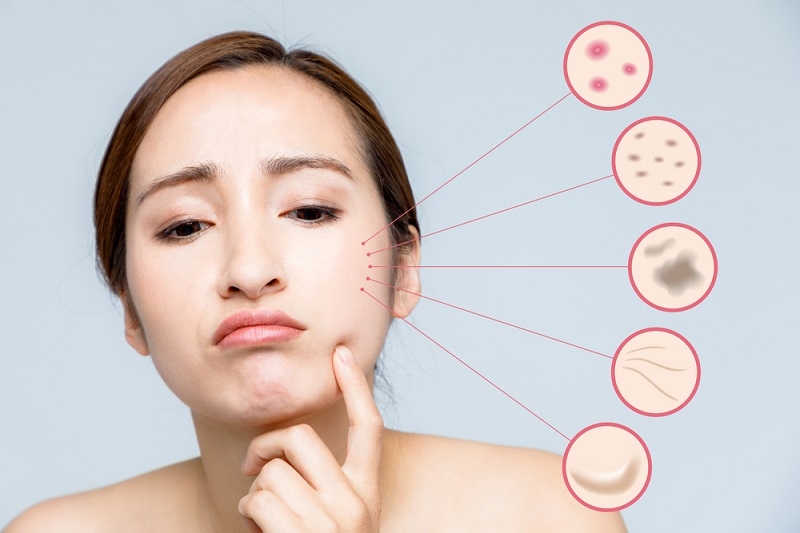
Clear and healthy skin is the desire of most people, but quite often, they fail to achieve that because acne is very unpredictable. Breakouts can occur due to stress, hormonal fluctuations, lifestyle factors, or the use of a skincare product that is incompatible with your skin.
The good news is that with the right approach, acne can be managed and its occurrences can be minimized. This manual outlines the best steps for treating acne to achieve smoother skin with fewer blemishes.
If you are frequently having breakouts, your skin is stubborn and inflamed, or you get recurring irritations, then this routine is the answer to your problems.
The first step in any good acne treatment program is to wash one's face. Dirt, sweat, makeup, and oil are some of the things that your skin picks up during the day. All these things clog pores and can cause breakouts if they are left on your face. Therefore, washing your face twice a day removes all that buildup and makes your skin ready for strong acne-fighting products.
Apply a gentle cleansing product for acne-prone skin. Never use something that is too harsh because it will make your skin even more inflamed, and it will produce even more acne. What you really need is a lightweight formula that will clean your face but will not overdry it.
Salicylic acid is one of the most effective substances for removing blackheads or small bumps. The acid goes all the way down to the pores, it melts the excess oil, and it gets rid of the dead skin that is already there. When you insert it into your daily routine a couple of times a week, it keeps the pores clear and gives the skin a smoother texture.
This point in the regimen is a major involvement in acne treatment, particularly for those who have whiteheads frequently and whose skin texture is blocked. Feel free to use it as a toner, serum, or cleanser.
In the case of an inflamed pimple, benzoyl peroxide is one of the quickest ways to help you get rid of it. This component creates the environment in which the bacteria responsible for acne do not thrive and also reduces the redness. Spot gels, lightweight creams, or leave-on treatments are its most common forms.
In case of over-drying, benzoyl peroxide should be used sparingly and only on the affected areas. If you’re on an acne treatment routine, you should use benzoyl peroxide once a day or every other day to keep your skin calm. Low concentration is a good starting point if your skin is sensitive.
There is no doubt that sometimes breakouts just appear without any prior indication. In those situations, the use of spot remedies can help to quickly handle individual pimples. These products are designed to be used locally on the skin, thus providing a solution to the problem when it is only a few spots rather than the whole face, which is great when your skin is already too active with too many ingredients.
Spot products may include such components as tea tree oil, zinc, or drying agents that soften the inflammation. By means of direct action, they contribute to the rapid restoration of the skin.
By integrating clearing masks into your weekly regimen, you can better control sebum production, rid the skin of dirt, and calm any irritations. These masks are often made from substances such as clay, charcoal, or contain soothing components that assist in keeping the skin fresh and balanced.
Once or twice weekly use helps you maintain your oily skin fix in the long run and also improves your acne results. Clearing masks are a perfect addition when your skin is congested or looks dull. They get rid of the excess sebum, soothe the redness, and give your skin a refreshed feeling.
An acne-prone skin should be moisturized, which may sound a bit odd, but hydration is absolutely necessary. When the skin is overly dry, it makes an attempt to fix the problem by producing even more oil. The result is more clogged pores and, thus, more breakouts.
Go for light non-comedogenic moisturizers that provide hydration, and at the same time do not give a greasy finish. This step is very important for the skin barrier and is the icing on the cake for the whole acne treatment plan.

Skin that is exposed to the sun is likely to have its acne blemishes darkened, and the whole process of healing will be slower. In case you use an acne treatment routine with ingredients such as salicylic acid or benzoyl peroxide, your skin should not be exposed to direct sun rays, as it becomes quite sensitive.
Put on a light sunscreen every morning, regardless of whether the day is sunny or cloudy. If you have acne-prone skin, opt for a non-greasy product. Sunscreen keeps the skin free from dark spots, is a great anti-irritant, and generally, your skin stays healthy while you are going through the steps of the treatment.
Time is what is needed for the skin to become clear. One of the most common mistakes, which many people make, is changing products too rapidly, thus irritating and confusing their skin. It is better to simplify your routine and keep it the same. One of the major mistakes that people make is that they use too many activities together.
Follow a regimen that will help you achieve your acne treatment goals. Each product that you use must be given a few weeks before you can expect to see the results.
Contrary to what the feeling might be, the popping of pimples makes the situation even worse. What happens is that the bacteria get pushed deeper into the skin, the redness level is increased, and scars that last for a long time are formed. What you can do, however, is apply spot treatments, use benzoyl peroxide, and follow other safe steps.
Make sure that both your hands and face are clean and that you do not touch your face. In this way, you protect yourself from the bacteria that cause breakouts, thus lessening the chances of new pimples.
Your skin is not oblivious to the events in your body, and it is affected by them too. Lifestyle habits are basically the support system for the results that you get from your skin care regimen.
Some of the things that you can do are:
These practices are the perfect companions of your acne treatment routine, and they help your skin stay balanced and free of blemishes.
Considering the main factors that influence the skin and its condition, it turns out that acne is mostly a result of an improper and inconsistent routine. Over time, using gentle cleansers, pore-purifying agents, salicylic acid, and targeted spot treatments, along with weekly clarifying masks, you can actually clear up breakouts.
When these steps are accompanied by patience, acne becomes less of a problem, and your skin slowly regains its clarity, calmness, and confidence.
For the majority of people who maintain a consistent routine, improvement can be seen within 4–8 weeks.
Yes, but ensure that you apply them in different steps and that you do not layer too many strong ingredients simultaneously.
Clearing masks are to be used only once or twice a week in order to balance the production of oil and get rid of the buildup.
Spot remedies work for the occasional pimple, but when you’re dealing with severe acne, that’s not enough. You really need a solid skincare routine or help from a dermatologist.
This content was created by AI