

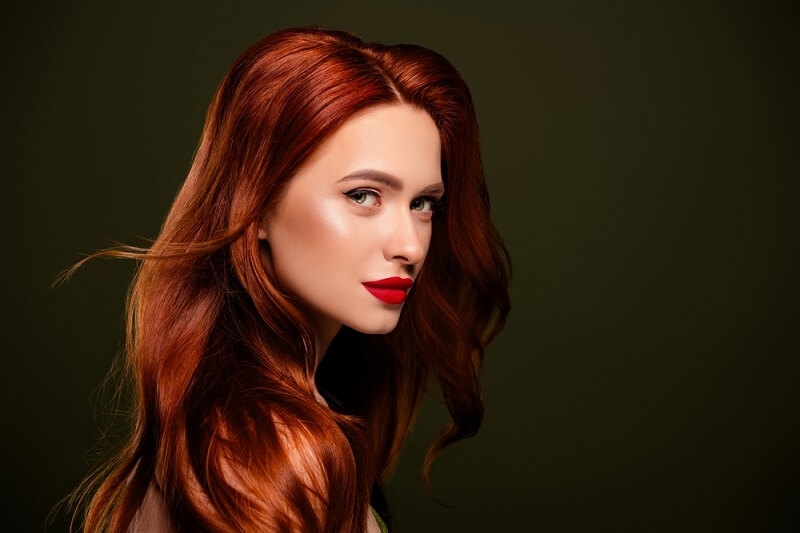
Hair color in 2026 is less about making a statement and more about making sense. People want hair that looks good in real life, not just under salon lights. That shift explains why hair contouring has quietly become one of the most requested looks tied to hair trends 2026.
Hair contouring is not a full transformation. It does not rely on dramatic contrast or heavy processing. Instead, it works through small adjustments placed where they actually matter. The result is hair that frames the face better, looks brighter without being lighter overall, and grows out without obvious lines.
Publications like Vogue have pointed out that this technique feels modern because it works with natural hair rather than covering it up. That mindset defines most current hair color techniques.
Hair contouring is a targeted coloring approach that focuses on the front sections of the hair. The colorist places lighter or slightly deeper tones near the face to change how light hits your features.
This is not about adding more highlights. It is about placing fewer highlights in smarter locations.
Most applications focus on:
When light hits these areas, the face appears brighter and more balanced. That is the entire point of hair contouring.
Unlike traditional highlighting, this method does not try to evenly distribute color. Uneven placement is part of why it looks natural.
More to Discover: Simple Ways to Style Curly Hair for Defined, Bouncy Curls
Hair contouring fits into a larger shift in hair color techniques. The focus is no longer on coverage or contrast. It is on control.
Many stylists use freehand painting similar to balayage highlights, but on a much smaller scale. Instead of lifting the mid lengths and ends across the head, the color stays close to the face.
This approach matters for two reasons:
Because the base color remains untouched, the hair does not lose its identity. That is one reason hair contouring works across different hair colors and textures.
Trends last when they solve a problem. Hair contouring solves several.
First, it reduces maintenance. Second, it improves how the face looks without requiring a haircut. Third, it does not lock you into frequent appointments.
These are the same reasons hair trends 2026 lean toward:
Hair contouring delivers all three.
It also works with the way people actually wear their hair. Loose waves, air dried texture, low buns, and ponytails all benefit from subtle brightness near the face.
Face framing hair has become a key styling choice again, but not in the dramatic way seen years ago. Today’s face framing is softer and more blended.
Hair contouring supports this shift perfectly.
When lighter tones are placed along face framing pieces, the hair looks intentional even when styled simply. The brightness draws attention upward, which can soften strong features or add definition where needed.
Examples of how this works in practice:
The combination of face framing hair and hair contouring is one reason this technique photographs well without looking styled.
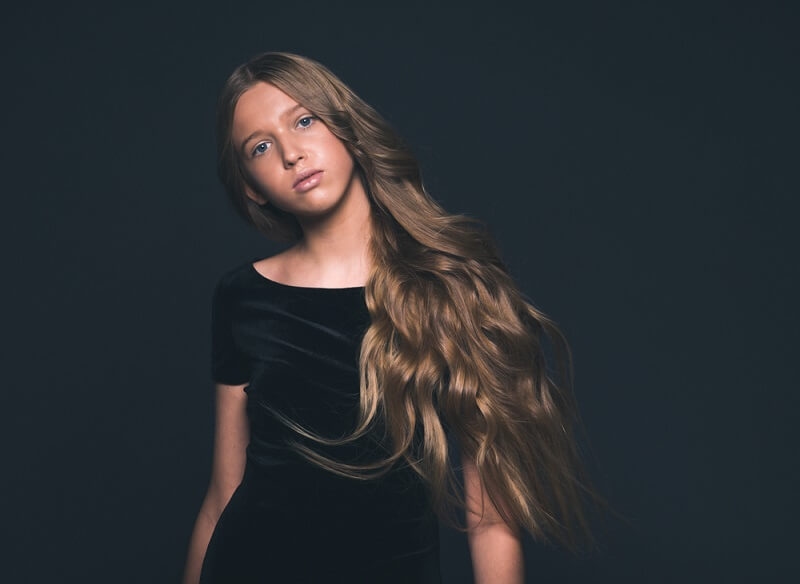
One of the strongest advantages of hair contouring is upkeep. It qualifies as a low maintenance hair color because it is designed to grow out.
There are no sharp lines. There is no solid root that needs coverage. The transition between natural hair and color stays soft.
That means:
Most people refresh hair contouring every three to six months. Some go longer.
For anyone who wants color without committing to constant salon time, this is a realistic option.
You may also like: Color-Treated Hair Care That Strengthens and Lasts Color
Hair contouring is often confused with balayage highlights, but they serve different purposes.
Balayage highlights are meant to add dimension throughout the hair. Hair contouring is meant to improve how the face is framed.
Here is the practical difference.
Hair contouring:
Balayage highlights:
Many stylists combine the two. Balayage highlights provide depth, while hair contouring refines the front sections.
Hair contouring works best for people who want visible improvement without obvious color.
It suits those who:
It is also a good option for people growing out old highlights who want to clean up the front without redoing everything.
Clear language helps. Instead of asking for a trend name, describe the result.
You can say:
A skilled colorist will adjust placement based on your face shape and hair texture.
Suggested Read: How Do You Choose the Best Hair Oils for Shine and Repair?
Hair contouring works because it respects the base. It does not compete with natural color or texture. It enhances what is already there.
That is why it fits so well into hair trends 2026. It reflects how people actually want their hair to look and behave.
By using controlled placement, light contrast, and modern hair color techniques, hair contouring delivers a result that feels finished without feeling forced. When paired with face framing hair or light balayage highlights, it offers dimension without high maintenance.
For anyone tired of obvious color but still wanting change, hair contouring is a practical answer.
Short answers to common questions people ask before choosing hair contouring.
Yes. Because it uses minimal color, hair contouring can add depth to fine hair without weighing it down or overprocessing it.
It does. The contrast is adjusted to suit the base color, so the result stays natural rather than overly bright.
Most people maintain hair contouring every three to six months, which is why it is considered a low maintenance hair color.
This content was created by AI